
Always Think-Up
BLOG
Inviting readers to embrace a lifelong commitment to self-mastery, unwavering resilience, and a legacy that will inspire generations to come.
Diet and Weight Loss with Cultural Considerations, what Healthy Foods are Just for You?
Introduction to Diet and Weight Loss with Cultural Considerations
Welcome to our journey through the Always Think-Up philosophy, where we embrace holistic health and wellness with a vibrant fusion of cultural wisdom and modern nutritional science. This unique approach not only addresses weight loss but also enhances overall well-being by integrating culturally diverse diets into everyday life.
The Essence of Diet and Nutrition
Diet and nutrition are the fundamental pillars of health and well-being. The Always Think-Up philosophy recognizes that nutrition is not merely about restricting calories but about nourishing the body and soul with wholesome, healing foods that energize and rejuvenate. We advocate for a balanced approach that incorporates a wide range of nutrients to support optimal bodily functions, promote mental clarity, and foster a profound connection between mind, body, and spirit.
Cultural Tapestry and Dietary Choices
Every culture brings a rich tapestry of flavors, traditions, and practices to the table, profoundly influencing dietary choices and preferences. Embracing these diverse culinary heritages can enrich your diet not only nutritionally but also spiritually and socially. Traditional foods, often rooted in centuries of wisdom, contain a harmonious balance of nutrients that processed foods lack, offering unique health benefits that have withstood the test of time.
Moreover, integrating culturally significant foods into your diet can provide a profound sense of connection and identity. Foods like turmeric in Indian cooking, miso in Japanese diets, or kale in African cuisine are not just nourishing; they are imbued with history, tradition, and a deep reverence for the land and its bounties. By including these foods, you're not only feeding your body but also honoring your heritage and the global tapestry of culinary practices that have sustained communities for generations.
Navigating the Nutritional Landscape
As we explore the diverse world of cultural diets, it's essential to understand the nutritional content and health benefits of traditional foods. This exploration encourages a deeper appreciation and a more informed approach to dieting, highlighting the importance of variety and balance in nutrition. By understanding the nutritional profiles of cultural foods, we can make informed choices that align with our dietary goals and health requirements, while still honoring the rich culinary traditions that have shaped our global community.

Embracing Cultural Diversity in Your Diet
The path to wellness and sustainable weight loss is paved with a tapestry of cultural culinary traditions. By embracing the richness of diverse diets, we not only nourish our bodies but also celebrate the vibrant tapestry of global cuisines. To integrate cultural diversity into your dietary journey, embark on a culinary adventure by trying out recipes from different cultures. Experiment with spices and herbs that are staples in traditional dishes, such as cumin in Middle Eastern cuisine, ginger in Asian cooking, or berbere in Ethiopian fare. These flavorful additions not only tantalize your taste buds but also offer potential health benefits rooted in ancient wisdom.
Embracing Plant-Based Traditions
Many cultures have a deep-rooted appreciation for plant-based foods, which can be a valuable source of fiber, vitamins, and antioxidants. Explore the vibrant world of vegetarian and vegan dishes, such as Indian dal, Japanese sushi rolls, or Mexican bean dishes. These plant-based options can be incredibly satisfying and nutritious, offering a unique perspective on the power of plants to nourish and sustain.
Furthermore, celebrate cultural festivals and gatherings, where food is often an integral part of the experience. Attend local festivals or events that showcase traditional cuisines, and immerse yourself in the flavors and stories behind the dishes. This can be an opportunity to connect with the cultural heritage of your community and expand your culinary horizons, fostering a deeper appreciation for the diverse culinary traditions that have shaped our global community.
Mindful Eating and Authentic Connections
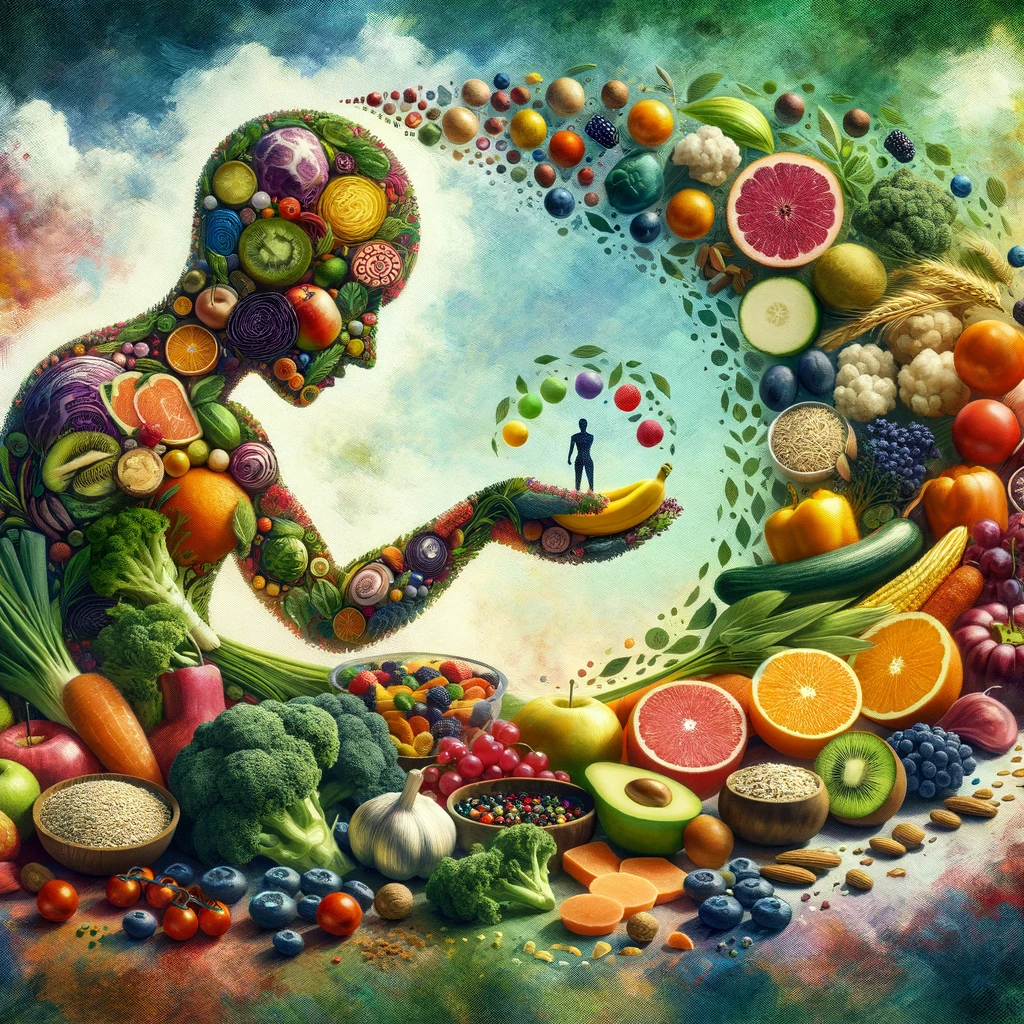
Many traditional cultures prioritize mindful eating practices, such as savoring each bite, eating slowly, and appreciating the nourishment provided by the food. Adopting these mindful eating habits can not only enhance your enjoyment of meals but also promote better digestion and a healthier relationship with food. By slowing down and truly savoring the flavors and textures of each dish, you can cultivate a deeper appreciation for the cultural traditions and the care that goes into the preparation of these culinary masterpieces.
While exploring cultural cuisines, seek out authentic recipes from reputable sources, such as cookbooks, food blogs, or trusted community members. This ensures that you are experiencing the true essence of the cuisine and benefiting from the traditional preparation methods and ingredient combinations that have been passed down through generations. By honoring these authentic recipes, you not only nourish your body but also connect with the rich tapestry of culinary traditions that have sustained communities for centuries.
Balancing Cultural Traditions and Modern Nutrition
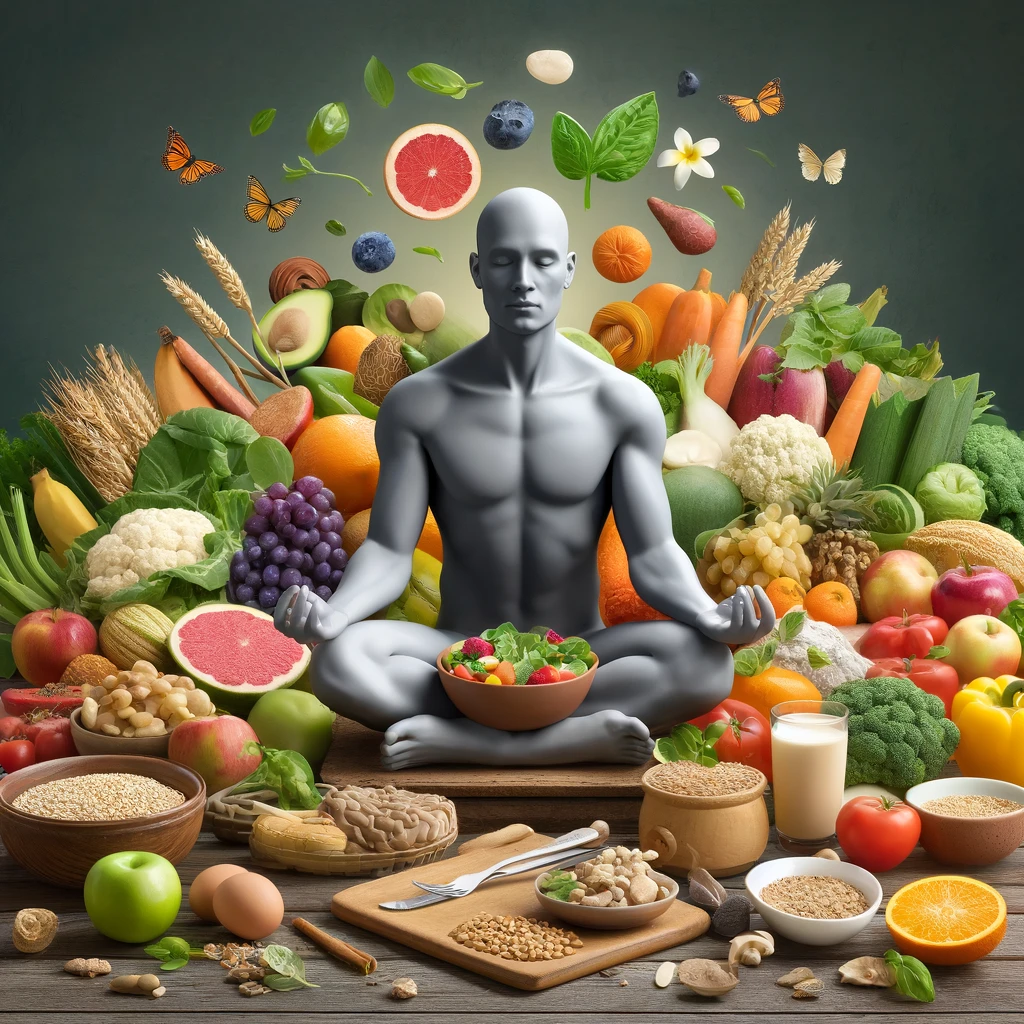
As you embark on your journey of embracing cultural diversity in your diet, it's essential to strike a balance between traditional practices and modern nutritional insights. While traditional foods offer a wealth of cultural heritage and flavors, it's crucial to understand their nutritional profiles. Research the macronutrient and micronutrient content of the dishes you're exploring, and make adjustments as needed to align with your dietary goals and health requirements.
Moderation, Adaptation, and Holistic Well-being
Some cultural dishes may be higher in certain nutrients, such as fats or carbohydrates, due to traditional preparation methods or ingredient choices. Practice portion control and balance these dishes with nutrient-dense options to maintain a well-rounded diet that supports your overall health and wellness goals.
Furthermore, traditional recipes can often be adapted to accommodate modern dietary preferences or restrictions. For instance, you can substitute ingredients to create gluten-free, vegan, or low-sodium versions of cultural dishes, allowing you to enjoy the flavors while adhering to your dietary needs. This flexibility ensures that you can honor your cultural heritage while also respecting your body's unique requirements.
While embracing cultural cuisines, remember to balance your dietary intake with regular physical activity. Many traditional cultures have their own forms of exercise or movement practices, such as tai chi, yoga, or dance. Integrating these activities into your routine can complement your dietary journey and promote overall well-being, fostering a harmonious balance between body, mind, and spirit.
If you have specific health concerns or dietary restrictions, consider consulting with a qualified healthcare professional or registered dietitian. They can provide personalized guidance and help you navigate the nutritional aspects of cultural diets while ensuring your individual needs are met. This collaborative approach ensures that you can embrace the richness of cultural diversity while prioritizing your unique health and wellness goals.
The Essence of the Always Think-Up Philosophy
Remember, the Always Think-Up philosophy celebrates the richness of cultural diversity while prioritizing holistic health and wellness. By embracing this approach, you embark on a journey that nourishes your body, mind, and spirit, one delicious and culturally enriching meal at a time. It is a path that honors the ancient wisdom of our global community while embracing the insights of modern nutritional science, creating a harmonious fusion that transcends boundaries and celebrates the inherent interconnectedness of all life.

The Role of Fasting in the Always Think-Up Philosophy
Fasting, an ancient practice steeped in cultural and historical significance, plays a pivotal role in the Always Think-Up philosophy. This section explores the various forms of fasting and their integration into a lifestyle that promotes mindfulness, body awareness, and overall health enhancement.
Understanding Fasting and Its Historical Roots
Historically, fasting has been practiced for millennia across different cultures and religions, serving both spiritual purification and physical health. In the Always Think-Up philosophy, fasting is not just a method for weight management but a transformative practice that aligns the mind, body, and spirit.
Types of Fasting and Their Benefits
There are several approaches to fasting, each with unique benefits:
- Intermittent Fasting: This involves alternating periods of eating and fasting, typically within a daily or weekly schedule. It is known for improving metabolic health, increasing brain function, and enhancing longevity.
- Time-Restricted Eating: Limiting food intake to specific hours of the day helps synchronize the body's internal clock, leading to improved digestion and energy utilization. Presented at the American Heart Association’s Epidemiology and Prevention│Lifestyle and Cardiometabolic Scientific Sessions 2024, analyzes the health impacts of time-restricted eating among over 20,000 U.S. adults. The study found that individuals who limited their eating to less than 8 hours per day faced a 91% higher risk of cardiovascular death compared to those who ate within a 12-16 hour window. Despite previous studies highlighting the short-term cardiometabolic benefits of time-restricted eating, this research underscores the potential long-term adverse effects, particularly for those with existing heart conditions or cancer. The findings suggest a need for personalized dietary recommendations based on individual health profiles.
- Prolonged Fasting: Extending fasting beyond a day can reset the body, promoting deeper physiological changes such as improved immune function and cell regeneration.
Integrating Fasting into the Always Think-Up Philosophy
Incorporating fasting into the Always Think-Up philosophy involves understanding its role in fostering mindfulness and enhancing body awareness. It encourages a deeper connection with the body's hunger and satiety signals, promoting a more mindful approach to eating and living.

Debunking Myths and Highlighting Evidence-Based Benefits
While fasting offers numerous health benefits, it's surrounded by myths and misconceptions. It's essential to approach fasting with accurate knowledge, recognizing its potential in improving health markers like blood pressure, insulin sensitivity, and mental clarity. Educational resources and scientific studies offer insights into how fasting can be safely and effectively implemented. Explore further.
Fasting Safely and Effectively
To safely integrate fasting into your lifestyle, consider personalized guidance based on individual health status, preferences, and goals. It's crucial to start gradually and listen to your body, adjusting your fasting regimen as needed to optimize benefits without compromising health.
As we continue to explore the profound impacts of diet and fasting on our well-being, the next page will delve into the critical connection between diet, cultural foods, and oral health, further illustrating the holistic nature of the Always Think-Up philosophy.
Oral Health: Connecting Diet, Cultural Foods, and Dental Well-being
In the holistic framework of the Always Think-Up philosophy, oral health is seen not just as a component of physical health but as integral to overall wellness. This section highlights the relationship between diet, cultural foods, and oral health, emphasizing the importance of mindful eating for dental well-being.
The Impact of Diet on Oral Health
The foods we eat play a critical role in the health of our teeth and gums. Nutrient-rich diets support strong teeth and healthy gums, while diets high in sugars and acids can promote dental decay and gum disease. The Always Think-Up philosophy encourages a balanced intake of foods that are beneficial for oral health, including crunchy vegetables and dairy products rich in calcium, which can help neutralize oral acids and provide the minerals needed for tooth remineralization.
Cultural Influences on Diet and Oral Health
Cultural diets vary greatly around the world, with some being more conducive to oral health than others. Traditional diets often emphasize natural, unprocessed foods that support dental health, such as fibrous fruits and vegetables that stimulate saliva flow and clean tooth surfaces. In contrast, modern Western diets often contain high levels of sugars and processed foods that can increase the risk of dental diseases.

Introducing the Dental Diet Concept
A "dental diet" is an approach to eating that is specifically designed to promote oral health. It includes foods rich in key nutrients like phosphorus, calcium, and vitamins A, C, and D, which are essential for maintaining the integrity of tooth enamel and gum tissue. Foods such as fatty fish, almonds, and leafy greens are staples in this diet, contributing to stronger teeth and a healthier mouth.
Avoiding Foods Detrimental to Oral Health
To maintain optimal oral health, it is also crucial to avoid or limit foods that can harm the teeth and gums. This includes sugary snacks, acidic beverages, and sticky foods that can linger on teeth and promote decay. Instead, the Always Think-Up philosophy promotes hydration and the use of saliva-promoting foods that naturally cleanse the mouth and neutralize harmful acids.

Practical Tips for Oral Health Through Diet
Ensuring good oral health through diet involves more than just choosing the right foods. It also includes:
Drinking plenty of water to help wash away food particles and bacteria.
Chewing sugar-free gum to increase saliva production, which helps protect teeth.
Practicing mindful eating to appreciate the flavors and textures of food, which can also reduce overeating and improve digestion.
Conclusion
In this comprehensive exploration of the Always Think-Up philosophy, we've delved into the synergistic relationship between diet, fasting, and holistic health. The integration of these elements not only enhances physical wellness but also fosters mental clarity and emotional balance. As we conclude, let's recap the key insights and encourage actionable steps to adopt this transformative approach.

Summarizing Key Insights
Holistic Approach: The Always Think-Up philosophy is not just about physical health but a balanced integration of mind, body, and spirit.
Diet and Nutrition: Emphasizing the importance of a nutrient-rich diet, tailored to both cultural preferences and health needs, ensures that dietary practices are both sustainable and beneficial.
Fasting: We discussed various fasting methods that can be adapted to fit individual lifestyles and health goals, highlighting their benefits for mental clarity and metabolic health.
Mindful Eating: Central to our philosophy, mindful eating encourages a deeper connection to food, enhancing both the eating experience and digestion.
Encouraging Mindful Transformation
To embark on your journey towards a healthier, more fulfilled life, consider these steps:
Educate Yourself: Visit the Always Think-Up main philosophy page to deepen your understanding of holistic health principles.
Join Our Community: Engage with others who are on similar paths by joining our online forum or attending workshops. Sharing experiences and support can significantly enhance your journey.
Adopt Small Changes: Start with small, manageable changes in your diet and fasting routine. Incremental steps lead to sustainable habits.
Take Action
Visit Our Resources: For more in-depth guidance, explore our website where you can find detailed articles, success stories, and practical tips on implementing the Always Think-Up philosophy.
Sign Up for Our Newsletter: Stay updated with the latest insights, tips, and community stories directly in your inbox. This will not only inspire you but also provide continuous support.
Participate in Workshops and Webinars: Enhance your knowledge and skills by participating in our expert-led sessions that cover a wide range of topics from nutritional advice to mindful meditation practices.

Final Thoughts
The journey to mastering mind and muscle is a continuous path of learning and growth. By integrating the Always Think-Up philosophy into your life, you commit to a lifelong pursuit of health, happiness, and harmony. Embrace the journey, and let the principles of mindfulness, balanced nutrition, and thoughtful fasting guide you towards a healthier future.
We encourage you to take the first step today by exploring more about the Always Think-Up philosophy and how it can transform your life. Remember, the path to wellness is not just a series of steps but a way of living that continuously enhances your well-being.
Thank you for taking the time to read through this blog series. We hope you feel inspired to make meaningful changes and look forward to supporting you on your journey towards holistic health.
SHARE

COMMENT
Subscribe now.
Sign up for our newsletter to get the most interesting stories of the day straight to your inbox before everyone else
Created with ©systeme.io• Privacy policy • Terms of service
Comments